
How to Cook Rice on the Stove Without It Sticking
To cook rice on the stove without it sticking, rinse the rice until the water runs clear, use 1 part rice to 1½–2 parts water depending on the grain, bring it to a boil, then drop the heat to the lowest setting and keep the lid on for 15–18 minutes. Don’t stir it while it cooks. That’s the whole trick.
Long-grain rice, such as basmati or jasmine, wants the smaller amount of water. Short-grain and sticky varieties need closer to 2 parts, because they release more starch as they heat.
If the water hasn’t absorbed when the timer goes off, put the lid back on and give it five more minutes off the heat. If it has absorbed but the grains still taste firm, add a splash of hot water and steam it five minutes longer.
Rest the pot off the heat, lid on, for 10 minutes before you fluff it with a fork. Skip that rest and the bottom layer glues itself to the pan.
The Method That Works Every Time
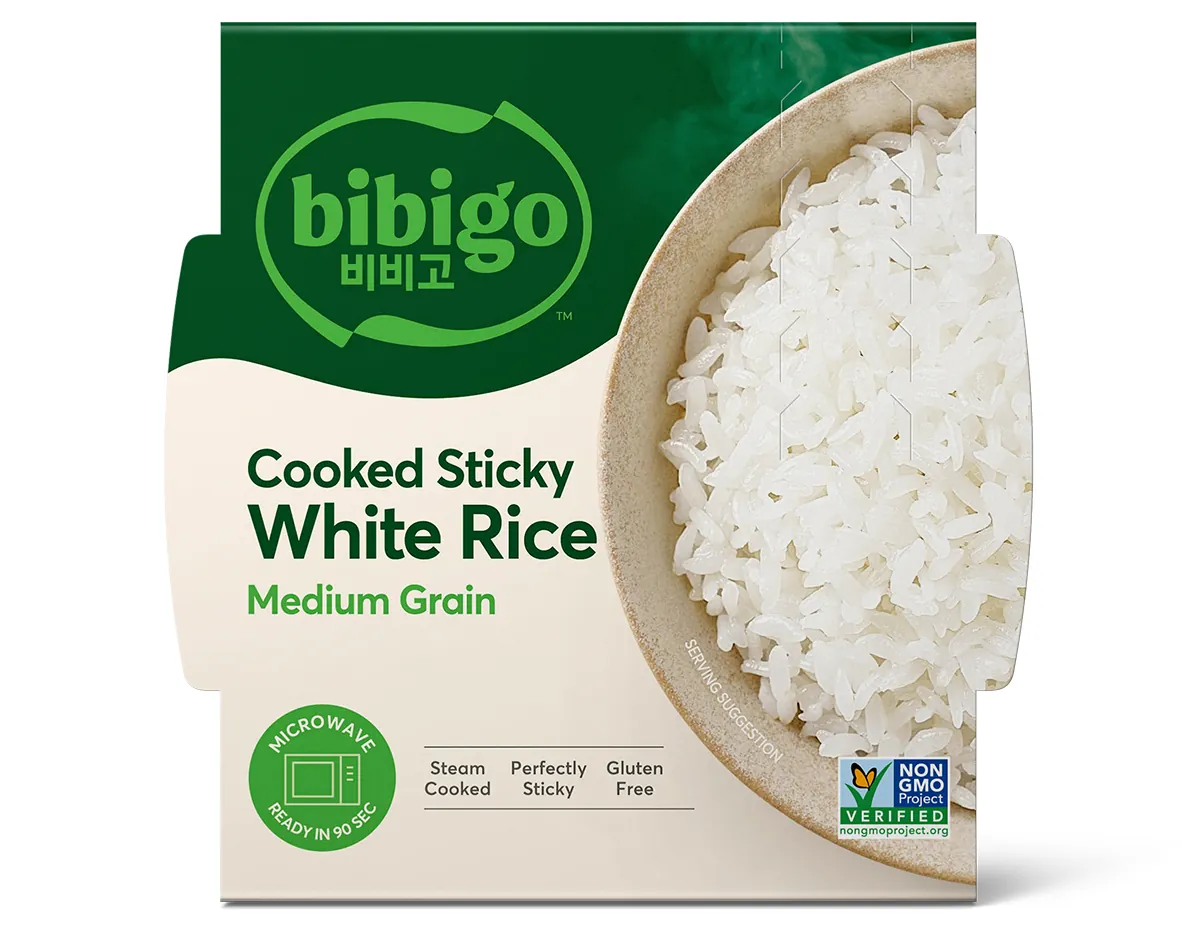
This is the way I cooked rice in restaurant kitchens for years, and it’s the same way I do it at home now. The steps don’t change — only the water amount does.
- Rinse the rice in cold water. Put it in a bowl, cover with cold water, swish with your hand, and pour the cloudy water off. Repeat 3 or 4 times until the water stays mostly clear. This removes loose starch, which is what makes rice gluey and sticky.
- Measure the water. Use 1½ cups water for 1 cup of long-grain white rice, or 2 cups for 1 cup of short-grain. Too much water is the most common reason rice turns out soft and sticky.
- Bring it to a full boil uncovered. No lid yet. You want the water moving before you cover the pot.
- Turn the heat down as low as it goes and put the lid on. The lowest setting on your stove, not medium-low. The rice steams in that trapped heat for the rest of the time.
- Don’t lift the lid and don’t stir. Every time you open it, steam escapes and the rice at the bottom dries out and catches. Leave it alone for 15 minutes.
- Rest it off the heat for 10 minutes. Turn the burner off and let the pot sit, still covered. The remaining steam finishes the job.
- Fluff with a fork, not a spoon. A fork separates the grains gently. A spoon presses them together into a paste.
Tip: If you’re cooking on an electric coil stove, move the pot to a cold burner for the 10-minute rest. The coil stays hot for a while and will keep cooking the bottom layer.
How Much Water and Time for Each Type of Rice
| Rice type | Water per 1 cup rice | Cook time (covered, low) | Rest time |
|---|---|---|---|
| Long-grain white | 1½ cups | 15 minutes | 10 minutes |
| Short-grain white | 2 cups | 15 minutes | 10 minutes |
| Jasmine | 1½ cups | 15 minutes | 10 minutes |
| Brown | 2½ cups | 40 minutes | 10 minutes |
| Basmati | 1½ cups | 15 minutes | 10 minutes |
Brown rice is the one that surprises people. It needs more water and much more time, and it will still feel firm in the middle if you pull it too early.
Why Your Rice Keeps Sticking to the Pot
Sticking almost always comes from one of three things: too much heat, too little water, or a pot with a thin base. If you’re using a cheap aluminum pot, the bottom gets much hotter than the rest and the rice there burns before the rest is done. A heavy pot with a thick base spreads the heat evenly, and that alone fixes most sticking problems.
Stirring is the other big one. Rice releases starch as it cooks, and stirring spreads that starch around so the grains grab each other and the pot. Leave it still.
If you’re cooking brown rice or a large batch, add a little more water than the table says. More rice in the pot means more of the water evaporates before the grains are done.
Is It Safe to Eat Rice That Sat Out?
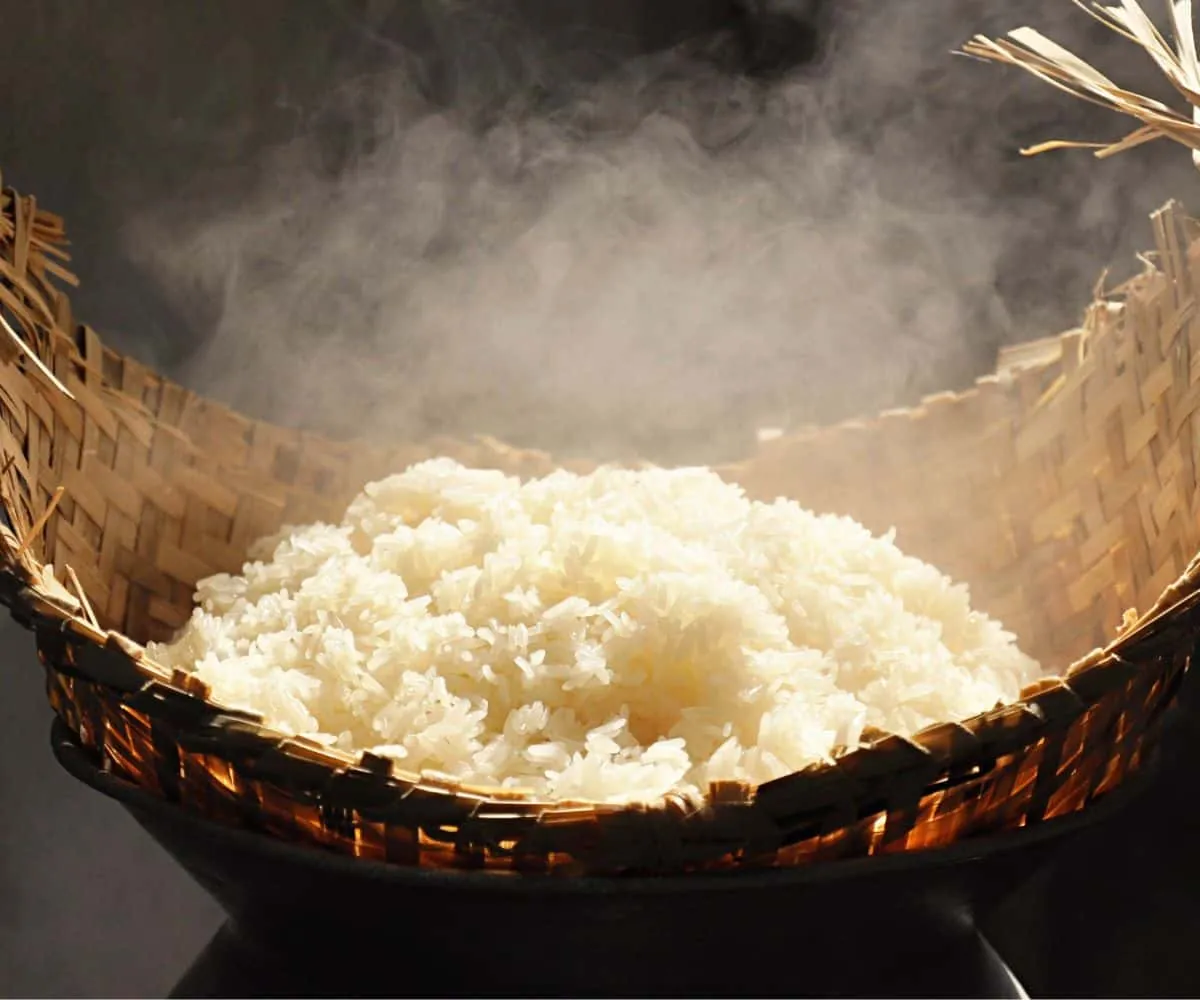
No — cooked rice is one of the foods where this matters most. Bacillus cereus spores survive cooking, and if rice sits at room temperature they grow and produce a toxin that reheating doesn’t destroy. The U.S. Department of Agriculture’s FoodSafety.gov leftovers guidance says cooked rice should go in the fridge within 2 hours and be eaten within 3 to 4 days. Cool it fast by spreading it on a tray, then refrigerate.
Related guides
Frequently Asked Questions
Can I cook rice without rinsing it?
Yes, but expect stickier rice. Rinsing removes surface starch, so skipping it gives you grains that cling together. If you’re making sushi or rice pudding, that’s actually what you want. For plain rice with separate grains, rinse it.
Why is my rice still hard in the middle?
You either didn’t use enough water or you took it off the heat too early. Add 2 tablespoons of hot water, put the lid back on, and cook on the lowest heat for 5 more minutes. Then let it rest for 10 minutes before you check it again.
Can I use a nonstick pot instead of a heavy one?
Yes, and it works well. Nonstick stops sticking even if your heat is slightly too high. The trade-off is that nonstick pots are often thin, so the rice at the bottom still browns a little. Keep the heat low and it won’t matter.
Conclusion
Start with long-grain white rice and the 1½-cup ratio, get that one right, then move on to brown rice, which needs its own timing.

I’m passionate about helping home cooks make everyday cooking easier, smarter, and more enjoyable. I share practical kitchen tips, cookware guides, cooking tutorials, and simple recipe inspiration based on real kitchen experience and modern home cooking needs.