How to Reheat Leftovers Without Drying Them Out
The trick is gentle, covered heat: reheat most leftovers at 50% power or in a low oven (around 300°F), covered, with a splash of water, until they’re steaming — usually 2 to 4 minutes in a microwave. High heat boils away moisture and toughens protein, which is why leftovers so often come out dry.
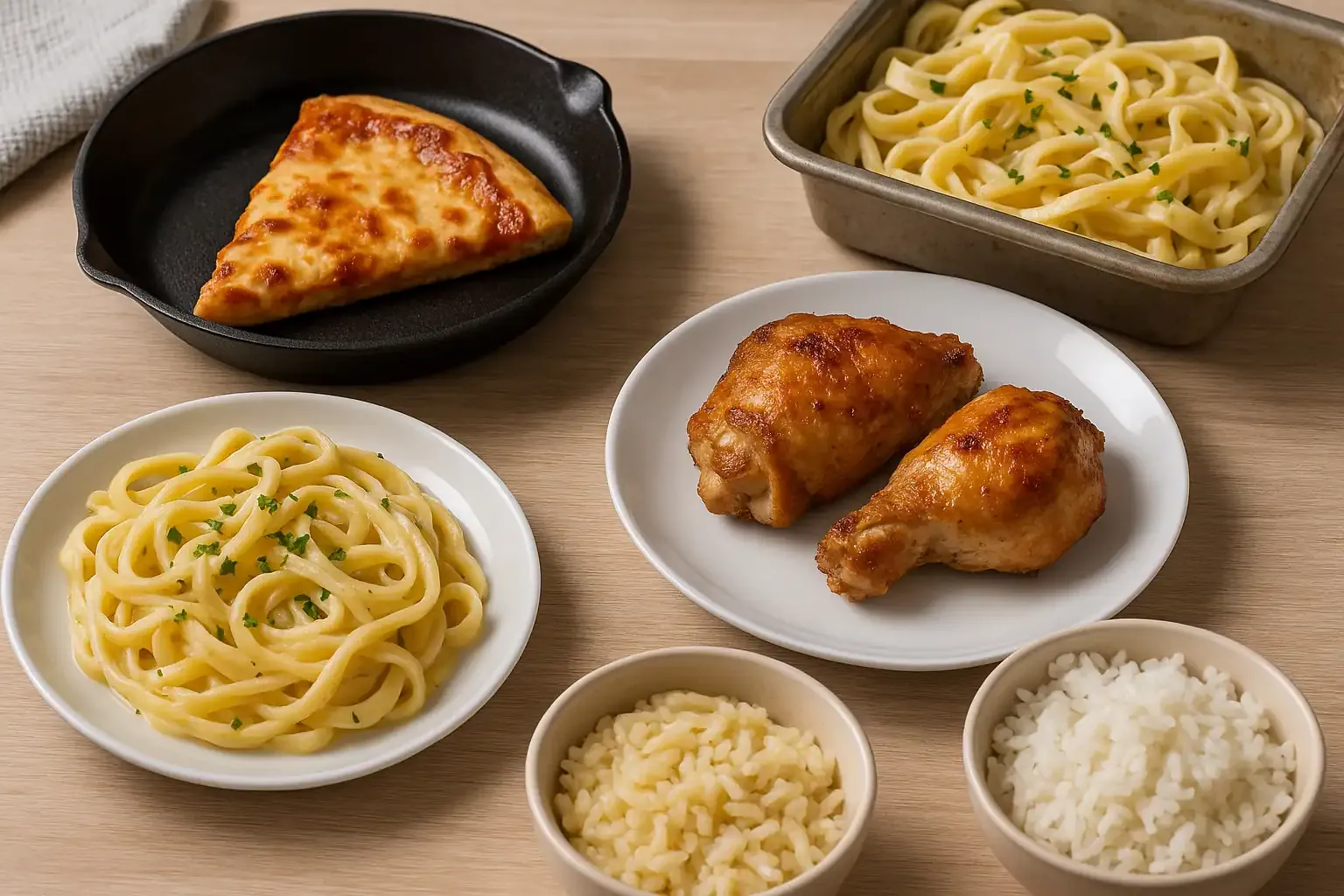
Rice needs more moisture than most leftovers. Add two tablespoons of water per cup and cover tightly, because the grains reabsorb liquid as they sit and need it back. Pasta with sauce also benefits from a splash of water.
Bread, fried food and pizza want the opposite treatment: no cover, no water, direct heat. A covered slice of pizza steams into floppy dough, and a covered fried chicken drumstick loses its crust entirely. Reheat those uncovered — a skillet, an air fryer, or a 375°F oven — until the crust crisps again.
I spent 24 years in restaurant kitchens before cooking at home, and the same rule held in both places: the slower you bring food back to temperature, the more moisture stays inside it.
Step-by-Step Method
- Move the food to a microwave-safe dish. Spread it in a thin, even layer so every part heats at the same speed. A thick pile means the edges dry out before the middle warms.
- Add a splash of water or broth. One or two tablespoons is enough for a single portion. For rice, one to two tablespoons per cup works well.
- Cover the dish loosely. A microwave-safe lid left ajar, or damp paper towel, traps steam. Leave a small gap so pressure doesn’t build up.
- Set the power to 50%. This is the single biggest fix. Full power is what dries food out.
- Heat in short bursts. Run 1 minute, stir, then repeat. Stirring moves the cooler center to the outside.
- Check the temperature. Reheat to 165°F throughout, not just at the edges.
- Let it sit for 1 minute. The heat evens out on its own before you serve it.
Tip: If the food is already dry, add a tablespoon of broth before reheating — water alone won’t bring back flavor.
How Long Different Leftovers Need
Times below are for a single serving at 50% power in a 1000W microwave. At 700W, add about half the time again.
| Leftover | Time (50% power) | Best moisture fix |
|---|---|---|
| Cooked rice | 1–2 min | 1 tsp water per cup, covered |
| Roast chicken or turkey | 2–3 min | Splash of broth, covered |
| Pasta with sauce | 2–3 min | 1 tbsp water, stir halfway |
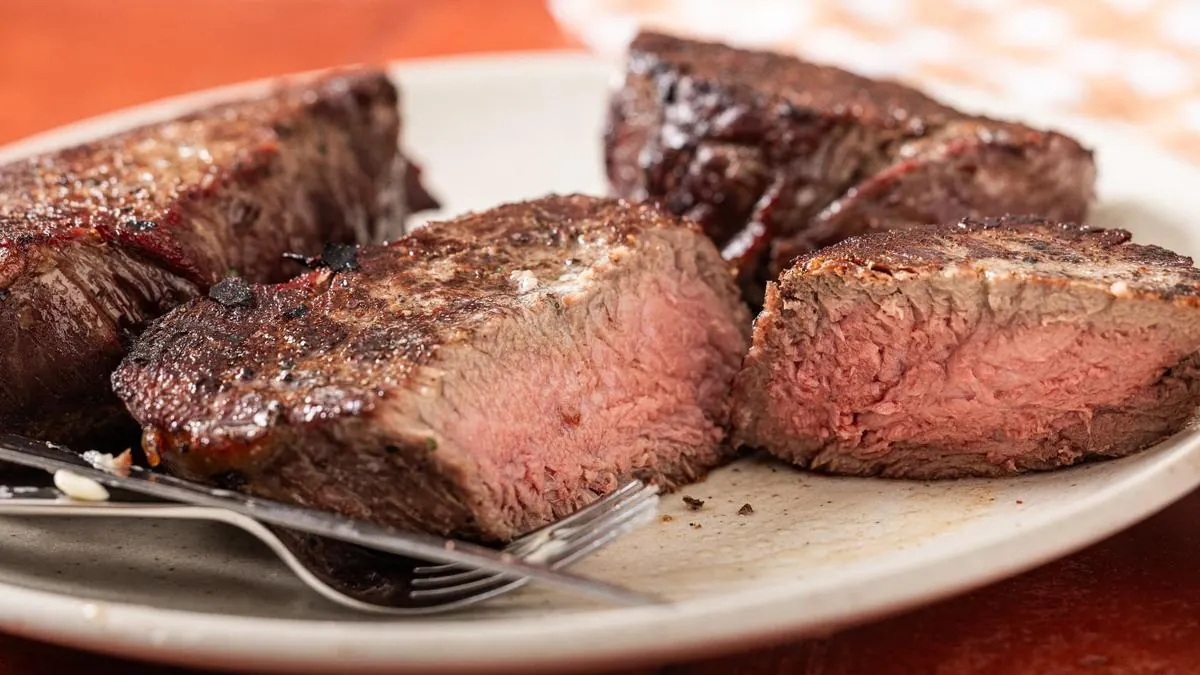
| Steak or roast beef | 1–2 min | Slice first, low heat only |
| Vegetables | 1–2 min | 1 tsp water, covered |
When the Microwave Isn’t the Right Tool
Some foods reheat far better on the stovetop or in the oven, and forcing them into the microwave is where most disappointment comes from.
Pizza and fried food go soggy in a microwave. A covered skillet on medium-low gives you a crisp base in about 4 minutes. Steak and roast beef dry out fast, so slice them and warm gently in a pan with a spoonful of butter or pan juices. Soups and stews reheat best in a pot on the stove, where you can stir and watch them.
Reheat all leftovers to 165°F, and be especially strict if serving someone pregnant, elderly, or immunocompromised — never leave their food sitting out. The USDA FoodSafety.gov leftovers guidance explains the safe storage and reheating rules clearly.
Mistakes That Leave Food Dry
Using full power. This is the most common mistake. Full power heats unevenly and pushes moisture out before the center is warm. Go to 70 percent for anything thicker than an inch, and keep full power for soup, tea, and plain water.
Not covering the dish. Steam escapes, and the food dries from the surface inward. Cover it, every time. A plate on top works as well as a lid, and a damp paper towel is fine for bread and rice.
Reheating the whole batch. Heat only what you’ll eat. Every reheat cycle costs moisture, and food reheated twice is noticeably worse. If you cooked four portions, reheat one and leave the rest cold in the fridge.
Forgetting to stir. Without stirring, one side overcooks while the other stays cold. Stop halfway and stir, even if the machine claims it stirs for you.
Skipping the rest time. That 1 minute off-heat finishes the job. Skip it and you’ll find cold spots.
Frequently Asked Questions
Can I reheat leftovers more than once?
No — reheat only what you’ll eat in one sitting. Repeated heating cycles dry food out and raise the risk of bacteria growing in the warm middle. Store the rest cold and reheat it once, fully.
Is it safe to reheat leftovers in a covered dish?
Yes, covering is safe and helps food heat evenly. Just leave a small gap for steam to escape, and make sure the dish is labeled microwave-safe. Check that the food reaches 165°F before eating.
Why does chicken get rubbery when reheated?
Chicken turns rubbery when it’s heated too fast and too long. The muscle fibers tighten and squeeze out moisture. Use 50% power, add broth, and stop as soon as it’s steaming hot.
Conclusion
Next time you reheat a plate, drop the power to half, cover it, and add a spoonful of liquid. That one change fixes most dry leftovers on its own. If you want to go further, keep a small carton of broth in the fridge — it’s the easiest way to bring moisture and flavor back at the same time.

I’m passionate about helping home cooks make everyday cooking easier, smarter, and more enjoyable. I share practical kitchen tips, cookware guides, cooking tutorials, and simple recipe inspiration based on real kitchen experience and modern home cooking needs.