
What Oils Are Best for High Heat Cooking: 3 Reliable Picks
Avocado oil, refined peanut oil, and ghee are the best all-round choices for high heat cooking. They stay stable at 400°F and above, so food browns fast without the oil turning bitter or smoking out your kitchen. Extra virgin olive oil is fine for a quick sear, but it’s not the best pick for a long, hard fry.
After 24 years in professional kitchens and now cooking at home, I reach for three oils again and again for high heat cooking.
Which Oils Actually Hold Up at High Heat?

Smoke point is the number that matters. It’s the temperature where an oil starts to break down and give off a sharp, acrid smell. Once that happens, your food tastes burnt even if it isn’t.
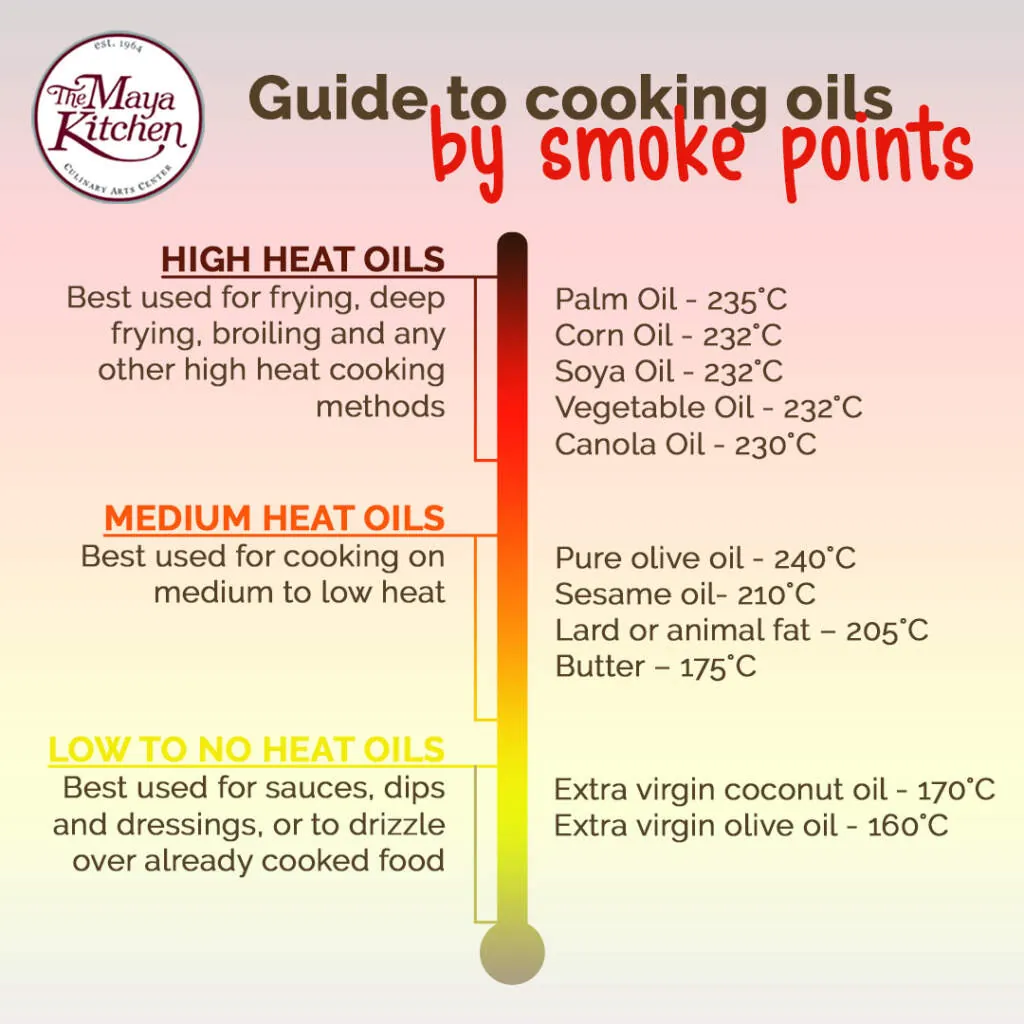
Here’s how the common oils compare:
| Oil | Smoke point | Best use |
|---|---|---|
| Avocado oil (refined) | 500°F+ | Searing, stir-frying, deep frying |
| Peanut oil (refined) | 450°F | Deep frying, wok cooking |
| Ghee | 450°F | Searing meat, roasting vegetables |
| Canola oil | 400°F | Everyday frying, baking |
| Extra virgin olive oil | 375°F | Quick sear, finishing, low-heat cooking |
| Butter | 300°F | Sauce bases only — it burns fast |
My rule: if the pan is going past 400°F, use avocado, peanut, or ghee. If you’re cooking below that, canola and olive oil both work well and cost less.
Tip: If your oil starts smoking, pull the pan off the heat and let it cool for a minute before adding food. Burnt oil gives everything a bitter taste that no seasoning can hide.
How Do You Know Which One to Pick?
Match the oil to the job, not to the price tag.
- Deep frying or a screaming-hot wok: refined peanut or avocado oil. They hold their temperature when food hits the pan and don’t foam up.
- Searing a steak or browning chicken: ghee or avocado oil. Ghee gives you that nutty, buttery flavor without the burn.
- Everyday pan-frying and roasting: canola oil. It’s cheap, neutral, and handles 400°F without complaint.
- Drizzling and finishing: extra virgin olive oil. Save it for the end, where its flavor actually shows.
If you’re not sure, go with avocado oil. It covers almost everything.
Two oils earn their place in almost every kitchen: a neutral high-heat oil and a good extra virgin olive oil. Buy those two and you can cook nearly anything well.
The mistake is keeping only olive oil and using it for everything. It smokes at around 400°F, so a hard sear turns it bitter and fills the kitchen with haze. The steak comes out tasting acrid, and you blame the meat.
If you cook mostly at moderate heat and finish with oil for flavor, one bottle of extra virgin is genuinely enough. If you sear, fry, or stir-fry over high heat more than once a week, you need the second bottle.
Mistakes That Ruin the Oil
Reusing oil too many times
Every time you fry, the oil breaks down a little more. If it’s dark, sticky, or foams when heated, throw it out. Reusing tired oil makes good food taste like old grease, and that’s a waste of everything you cooked.
Heating the oil before you’re ready
Oil that sits at high heat while you chop onions will smoke before the food ever touches it. Get your ingredients prepped first, then heat the pan.
Judging the temperature by look alone
A shimmer means the oil is hot, but it doesn’t tell you how hot. For deep frying, a simple probe thermometer takes the guesswork out — most recipes fry best between 350°F and 375°F.
The exact smoke point shifts a little depending on the brand and how refined the oil is. If a bottle doesn’t list it, check the maker’s website rather than trusting a general chart.
The USDA FoodData Central database lists oil types and their fat profiles if you want to compare them in detail.
When to Skip the High-Heat Route
Not every dish wants a ripping-hot pan. Delicate fish, eggs, and anything with butter or garlic at the start do better at medium heat, where you get browning without burning.
Thin fillets of sole or tilapia go in when the oil shimmers but hasn’t started to smoke. If the butter turns brown before the fish hits the pan, it’s too hot — pull the pan off the burner for thirty seconds and start again.
Garlic is the clearest test. Whole or sliced cloves need medium heat to turn golden; the moment they go dark at the edges, the batch tastes bitter and there’s no fixing it.
And if you’re cooking for someone with a peanut allergy, don’t use peanut oil — refined versions are usually safe, but the risk isn’t worth it at home. Use avocado or canola instead.
Related guides
- Do You Put Oil in an Air Fryer?
- Do You Put Oil on Chips in an Air Fryer?
- Why Can’t You Use Olive Oil in an Air Fryer?
Frequently Asked Questions
Is extra virgin olive oil safe for frying?
Yes, it’s safe — it just has a lower smoke point around 375°F. For a quick sear or a shallow fry, it works fine. For a long, hot fry, choose avocado or peanut oil instead.
Can I mix two oils together?
You can, and it’s a common trick. Blending a little olive oil into canola gives you flavor while keeping a relatively high smoke point. Just remember the blend smokes at the lower oil’s temperature.
Is avocado oil worth the higher price?
For high-heat cooking, yes. It handles 500°F, tastes neutral, and one bottle lasts a while. If you mostly cook at medium heat, canola does the same job for less.
Conclusion
Pick one high-heat oil for searing and frying, and keep a bottle of olive oil for finishing. That’s the whole setup — two bottles cover almost every meal you’ll cook. Next time you shop, check the label for the smoke point before you buy.

I’m passionate about helping home cooks make everyday cooking easier, smarter, and more enjoyable. I share practical kitchen tips, cookware guides, cooking tutorials, and simple recipe inspiration based on real kitchen experience and modern home cooking needs.