
How to Organize a Small Kitchen Pantry on a Budget
To organize a small kitchen pantry on a budget, you don’t need matching containers or a fancy label maker. You need about 2 hours, a few cheap bins, and a clear plan. In my 24 years as a professional chef, I learned that a working pantry isn’t pretty — it’s fast. You should be able to grab what you need in one motion while you’re cooking.
How to Organize a Small Kitchen Pantry in 6 Steps
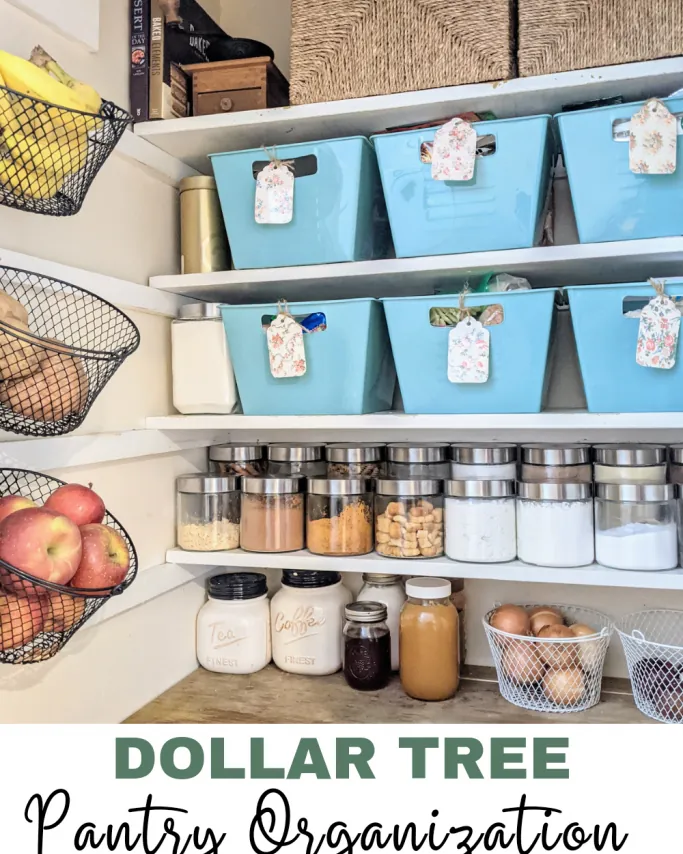
- Empty one shelf at a time. Don’t pull everything out at once. Work shelf by shelf so you never lose track of what you own, and wipe each shelf before you put things back.
- Check every date and bin the old stuff. Smell and look at each item. If flour smells musty or spices have no smell left, toss them. Old food takes up the space good food needs.
- Group items by how you cook. Keep baking items together, oils and vinegars together, and grains and pasta together. This is how a chef’s station works, and it saves you time every single day.
- Put the heaviest items on the bottom shelf. Big bags of rice, flour, and potatoes go low. Lighter jars and boxes go higher. This keeps the shelf safe and stops heavy items from falling on you.
- Use cheap risers and bins. A stack of cans on a small box lets you see the back row. Shallow bins hold packets upright. You can cut down cardboard boxes instead of buying organizers.
- Label the front edge, not the lid. Write the name and the date you opened it on a piece of tape on the front. You’ll see it without lifting anything.
Tip: Store your most-used items between your waist and your eyes. Anything you reach for daily should never be behind something you use twice a year.
What You Need (and What It Costs)
| Item | Budget option | Why it helps | |—|—|—|—| | Clear bins | Dollar-store or reused boxes | Keeps small packets from scattering | | Risers | Cut cardboard boxes | Doubles shelf space for cans | | Labels | Masking tape and marker | Cheap, easy to replace | | Lazy Susan | One cheap turntable | Reaches back corners without moving jars | | Airtight jars | Reused glass jars | Keeps flour and grains fresh |
Buy the bins first. They do the most work, and everything else can wait a month.
Skip the matching set. Clear plastic costs more because it looks tidy on a shelf, not because it holds rice any better. Reused boxes do the same job behind a closed door.
If your shelves are deeper than your arm, add the turntable before you add more bins. Otherwise the back row becomes a place where food goes to be forgotten.
Glass jars only pay off for flour, sugar, and grains. For anything you use daily, a jar with a screw lid becomes a chore you stop doing.
How Long Does It Take?
Most small pantries take about 2 hours from start to finish. A single shelf takes 15 to 20 minutes.
If you have a lot of expired food or a deep corner pantry, plan for 3 hours.
Work shelf by shelf, top to bottom, and finish one before you open the next. Pulling everything onto the counter first feels faster and almost never is.
Set a timer for each shelf. When it goes off, stop sorting and start putting back. Sorting is where the hours disappear.
If you find yourself reading labels, you’re done cleaning and have started shopping.
Mistakes That Cost You Money
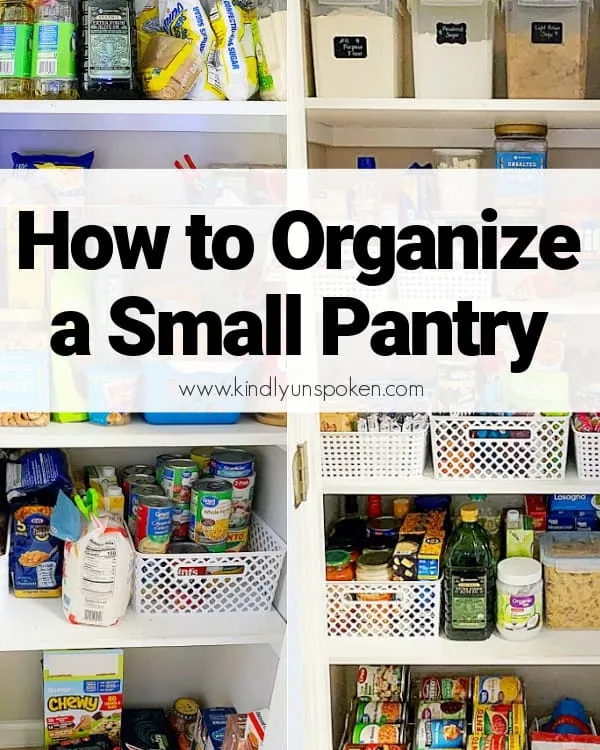
Why does my pantry get messy again in a week?
You put things back where they fit, not where you use them. If your oil lives far from the stove, you’ll keep pulling it out and leaving it on the counter. Move daily items to the shelf closest to your cooking area.
Why do my grains and flour go bad so fast?
Heat, light, and air. Flour and rice keep much longer in airtight jars kept away from the stove and direct sun. The USDA FoodKeeper guidelines list storage times for pantry staples, and they’re worth checking before you keep a bag past its window.
Why can’t I see what I have?
Deep shelves hide the back row. Put older items in front and newer ones behind, so you use the oldest first. A turntable in a corner does the same job.
Related guides
- Best Value Air Fryers: Top Picks for Your Kitchen
- Why Do Chefs Hate Air Fryers? The Honest Kitchen Truth
- What Foods Shouldn’t Be Air Fried? A Safe Kitchen Guide
Frequently Asked Questions
Can I organize a pantry without buying containers?
Yes. Reused glass jars, cardboard boxes, and shoe boxes work fine. Wash them well and make sure they’re fully dry before you fill them, or your flour will clump.
How do I stop bugs from getting into my pantry?
Keep grains and flour in sealed jars, not open bags. Wipe up spills right away, and check bags from the store before they go on the shelf — pests often arrive inside them.
Is it safe to keep food in the pantry long-term?
Dry goods are safe if they stay cool, dark, and dry. Once a package is open, move it to a sealed container and write the date on it so you know when to use it.
Conclusion
Start with just one shelf tonight — the one you use most. Clear it, group what’s there, and put your daily items at eye level. Once that shelf works for a week, do the next one.

I’m passionate about helping home cooks make everyday cooking easier, smarter, and more enjoyable. I share practical kitchen tips, cookware guides, cooking tutorials, and simple recipe inspiration based on real kitchen experience and modern home cooking needs.