How to Avoid Common Beginner Cooking Mistakes
You’ll avoid common beginner cooking mistakes by heating your pan before adding oil, drying meat with paper towels, and leaving space between pieces in the skillet. After 24 years as a professional chef and now cooking at home daily, I can tell you these three habits fix nearly every bad meal. They stop food from sticking, steaming instead of browning, or turning out bland.
What You Need Before You Start

Gather everything before you turn on the stove. In my restaurant kitchens, we called this mise en place, but at home it just means having your ingredients chopped, measured, and sitting next to the burner. You’ll also need a heavy skillet that holds heat well, paper towels for drying proteins, and a basic instant-read thermometer so you don’t have to guess when chicken is done.
- A heavy-bottomed skillet
- Paper towels
- Instant-read thermometer
- Chopped and measured ingredients
How Do You Actually Cook Without Ruining Dinner?
Follow these 6 steps every time you cook a savory meal. They’re the exact sequence I use whether I’m feeding my family or testing a new recipe.
- Read the recipe completely. Don’t start chopping until you’ve read it twice. You’ll catch missing ingredients or surprise timing issues that ruin a dish halfway through.
- Chop everything first. Put each ingredient in its own small bowl. When the pan is hot, you won’t have time to mince garlic while your onions burn.
- Heat the dry pan. Set your skillet over medium-high heat for about two minutes. Flick a drop of water in; if it sizzles and vanishes instantly, the metal is ready.
- Add oil to the hot pan. Pour just enough to coat the bottom thinly. It should shimmer within seconds, not smoke heavily — smoking means you’ve gone too far.
- Dry your protein and leave space. Pat meat or tofu completely dry with paper towels. Place pieces in the pan with an inch of space between them so they brown instead of steam.
- Let the food release itself. Don’t push or flip immediately. Once a crust forms, the food will slide easily when you nudge it with your spatula.
Tip: If your oil starts smoking before you add food, take the pan off the heat for a minute. Burnt oil makes everything taste bitter, and you can’t fix that flavor once it’s in the pan.
How Long Should You Cook Common Ingredients?
The biggest trade-off in home cooking is choosing between speed and texture. Cranking the heat to maximum cooks things faster, but you give up the brown crust that actually creates flavor. Here’s what works reliably in a standard skillet over medium-high heat. The exact time depends on your stove and the thickness of your food, so use these ranges as your starting point.
| Ingredient | Heat Level | Time Range | Visual Sign It’s Done |
|---|---|---|---|
| Boneless chicken thighs | Medium-high | 6–8 minutes per side | Clear juices, no pink inside |
| Ground beef | Medium-high | 5–7 minutes total | Brown all over, no red spots |
| Salmon fillets | Medium | 4–5 minutes per side | Flakes apart when pressed gently |
| Diced onions | Medium | 8–10 minutes | Soft and golden around edges |
For poultry, the USDA states that chicken must reach 165°F internally to be safe to eat. That’s the one number where guessing isn’t an option, which is why a thermometer matters more than any timer.
Why Does My Meat Stick to the Pan Every Time?
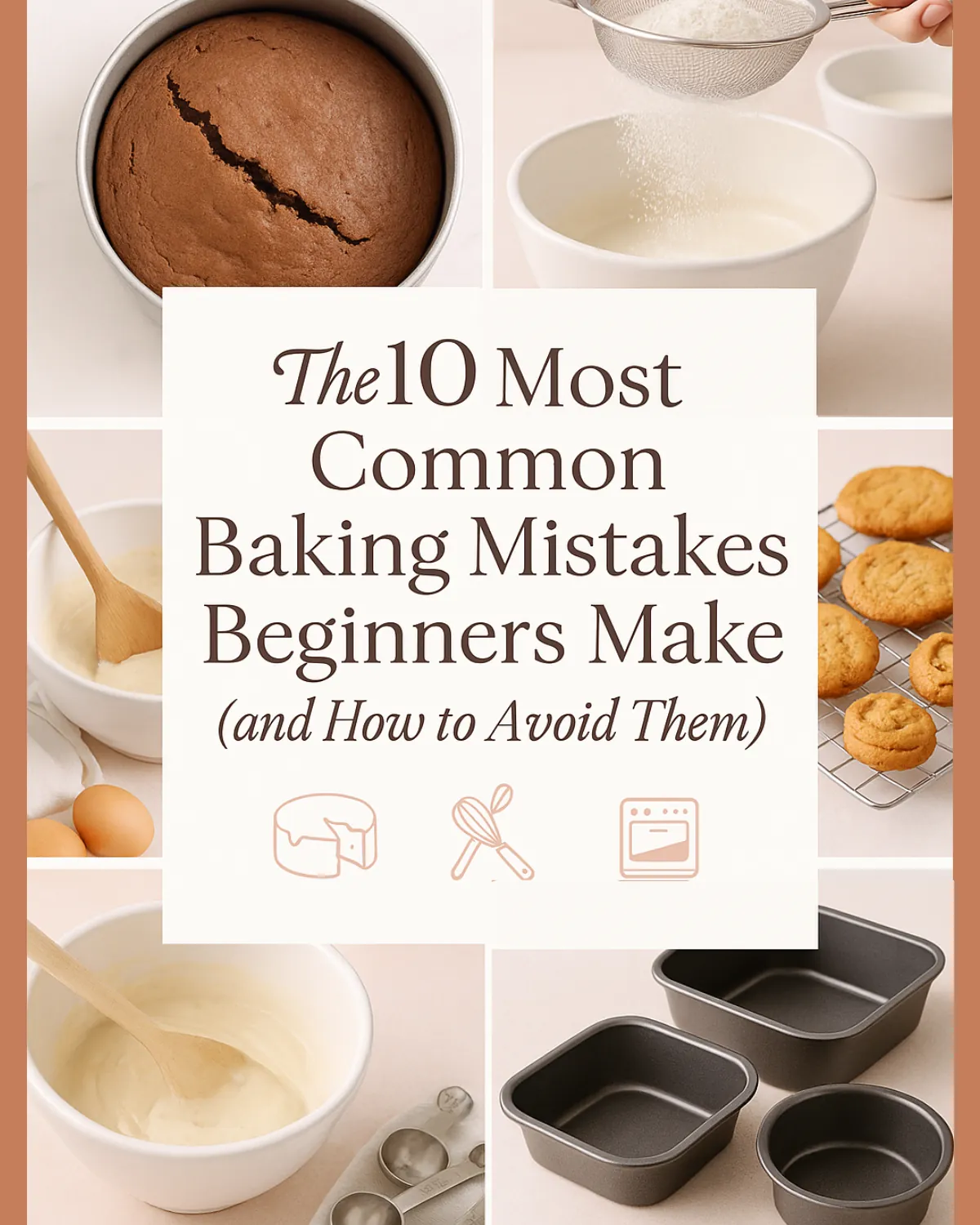
Meat sticks because the pan wasn’t hot enough before the oil went in, or the surface of the food was wet. When food is added to a pan that isn’t hot enough, its proteins bond to the metal surface before a crust can form. Dry your meat thoroughly with paper towels, and wait until the oil shimmers before adding anything.
If it still sticks, you’re likely trying to flip too early. A proper sear creates a crust that naturally releases from the metal. If you have to force your spatula underneath, the food needs another minute. This mistake costs beginners their dinner regularly, leaving half the meat glued to the skillet.
Why does my food boil instead of browning?
Overcrowding the pan traps steam underneath the ingredients. If your chicken pieces are touching each other, the moisture they release has nowhere to go, so it pools and boils the meat gray. Cook in two smaller batches if your skillet isn’t large enough to leave space between pieces.
Why is my dish always bland even when I follow the recipe?
Recipes rarely account for the exact saltiness of your specific brand of broth or butter. Taste your food right before you serve it. If it tastes flat but you’ve already added the suggested spices, it usually just needs a small pinch of salt to wake those flavors up.
Related guides
- What Are Common Mistakes When Using an Air Fryer?
- What Are Common Mistakes When Air Frying Chicken?
- How to Use an Air Fryer for Beginners
Frequently Asked Questions
Can I use olive oil for high-heat cooking?
Yes, regular olive oil handles medium-high stovetop heat fine for quick pan-frying. Extra virgin olive oil has a lower smoke point and turns bitter if it gets too hot. Save the expensive extra virgin bottle for salad dressings or drizzling over finished dishes.
How do I know if my pan is hot enough?
Flick a few drops of water into the dry skillet. If they sit there and bubble slowly, it’s too cold. If a drop sizzles and evaporates within a second or two, the pan is ready for your oil.
Is it safe to rinse raw chicken before cooking?
No, washing raw chicken splashes harmful bacteria onto your sink, counters, and nearby utensils. Cooking the meat to the correct temperature is what actually destroys bacteria. Pat it dry with paper towels instead to get a better sear.
Conclusion
Pick one habit to change tonight, like drying your protein thoroughly before it touches the pan. Once that feels automatic, add the next step to your routine. Your meals will improve faster by fixing one detail at a time rather than overhauling everything at once.

I’m passionate about helping home cooks make everyday cooking easier, smarter, and more enjoyable. I share practical kitchen tips, cookware guides, cooking tutorials, and simple recipe inspiration based on real kitchen experience and modern home cooking needs.