
How to Cook Steak Medium Rare in a Pan
To cook steak medium rare in a pan, sear it over high heat for about 2 minutes per side, then finish on lower heat until the center reads 130–135°F (54–57°C). A 1-inch (2.5 cm) steak needs roughly 6 to 8 minutes total. Always rest it for 5 minutes before slicing.
How to Pan-Sear Steak Medium Rare
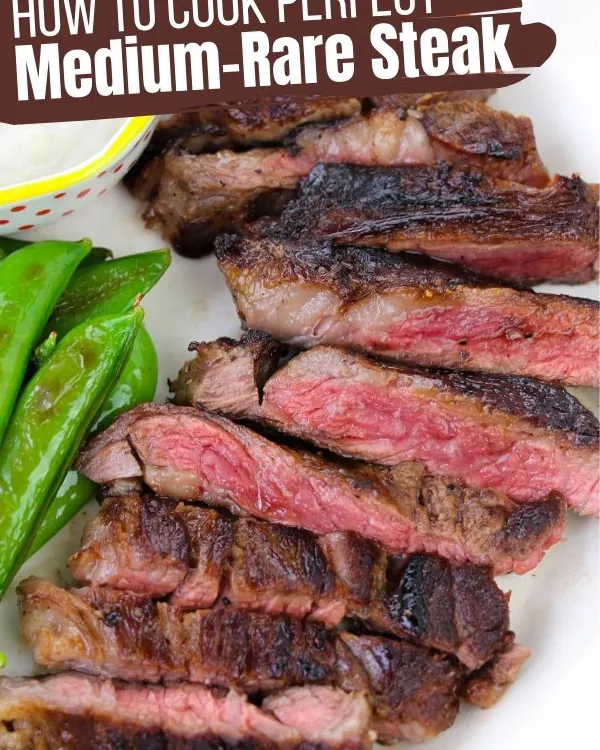
This is the method I used in restaurant kitchens for 24 years, and it works on any stove at home. You need a heavy pan (cast iron is best), a steak about 1 inch thick, salt, pepper, and a little oil with a high smoke point. Take the steak out of the fridge 30 minutes before cooking so it cooks evenly.
- Dry the steak completely. Pat both sides with paper towels. Wet meat steams instead of searing, and you lose that brown crust.
- Season generously. Salt and pepper both sides right before cooking. If you salt early, the surface gets wet again.
- Heat the pan until it’s very hot. Add 1 tablespoon of oil. It should shimmer and move quickly, but not smoke heavily.
- Lay the steak away from you. It should sizzle loudly the moment it touches the pan. Don’t move it for 2 minutes.
- Flip once and sear the other side for another 2 minutes. You’re looking for a deep brown color on both faces.
- Lower the heat to medium and add 1 tablespoon of butter. Tilt the pan and spoon the melted butter over the steak for 1 minute.
- Check the temperature. Insert a meat thermometer into the thickest part, away from bone or fat. Pull it at 130–135°F (54–57°C).
- Rest the steak for 5 minutes on a warm plate. The temperature rises a few degrees as it rests, landing right at medium rare.
Tip: If your pan starts smoking hard, pull it off the heat for 20 seconds, then put it back. Burnt butter tastes bitter and ruins the crust.
How Long to Cook Steak by Thickness
Timing changes with thickness, not with the size of the steak. A thicker steak needs more time on lower heat so the outside doesn’t burn before the inside cooks.
| Thickness | Sear per side | Total time | Pull at |
|---|---|---|---|
| ¾ inch (2 cm) | 1.5 min | 4–5 min | 130°F (54°C) |
| 1 inch (2.5 cm) | 2 min | 6–8 min | 130–135°F (54–57°C) |
| 1½ inch (4 cm) | 2.5 min | 10–12 min | 130°F (54°C) |
| 2 inch (5 cm) | 3 min | 14–16 min | 130°F (54°C) |
For anything thicker than 1½ inches, finish the steak in a 400°F (200°C) oven after searing. The USDA’s safe minimum cooking temperatures chart lists 145°F (63°C) for whole cuts of beef, but medium rare sits below that — so this is a personal choice, not a safety guarantee. If you’re cooking for anyone pregnant, elderly, or with a weak immune system, cook to 145°F and rest.
The chart assumes a steak taken straight from the fridge. Let it sit out 20 to 30 minutes first, or add about 2 minutes per side at 1 inch and above.
A cold center is the usual reason a 1-inch steak comes out gray inside while the crust looks perfect. Room-temperature meat also sears more evenly, so the gap between the surface and the middle closes faster.
Thin cuts are the exception. At ¾ inch, skip the rest and the oven entirely. Two minutes of carryover heat on the board will push a 130°F steak past medium, so pull it at 125°F and serve within 3 minutes.
Bone-in ribeye and T-bone run 1½ to 2 inches but the bone slows the center. Add 2 minutes per side to the chart, and trust the thermometer over the clock.
Sear in a lightly oiled pan. Oil added to a cold pan smokes before the steak goes in, and a wet surface steams instead of browning.
Mistakes That Ruin Medium Rare

Cold steak straight from the fridge. The outside burns while the middle stays raw. Give it 30 minutes on the counter. A thick cut needs longer — closer to an hour. If you’re short on time, press the steak flat against the pan and accept a gray band around the pink center.
A crowded pan. Two steaks in a small pan drop the heat and steam instead of sear. Cook them one at a time, or use a bigger pan. Leave an inch of bare metal between them. If your pan is small, sear in batches and hold the finished steaks on a warm plate while the rest cook.
Slicing too early. Cutting right away lets the juices run onto the board, and the meat turns dry. Wait the full 5 minutes. A thicker steak needs a few minutes longer.
Guessing doneness by color. The outside can look perfect while the center is still blue. A thermometer is the only reliable check — the difference between medium rare and well done is about 15°F. Pull it 5°F below your target; it climbs while it rests.
Related guides
- Best Medium Size Air Fryers 2026: Your Ultimate Buying Guide
- Best Small to Medium Air Fryers 2026: Your Ultimate Buying Guide
Frequently Asked Questions
Can I cook steak medium rare without a thermometer?
Yes, but it’s guesswork. Press the center with your finger: medium rare feels soft with slight resistance, like the base of your thumb touching your index finger. For consistent results, a cheap instant-read thermometer costs little and removes all doubt.
Should I use butter or oil?
Use both. Oil handles the high heat without burning, and butter added near the end gives flavor and helps brown the crust. Butter alone burns too fast at searing temperature.
What’s the best pan for this?
Cast iron or a heavy stainless steel pan. Nonstick pans can’t take the heat needed for a proper sear, and the coating may release fumes above 500°F.
Conclusion
Buy your next steak at least 1 inch thick — thin cuts are much harder to keep medium rare. Practice the finger-press test alongside a thermometer for a few steaks, and you’ll soon know the feel without checking.

I’m passionate about helping home cooks make everyday cooking easier, smarter, and more enjoyable. I share practical kitchen tips, cookware guides, cooking tutorials, and simple recipe inspiration based on real kitchen experience and modern home cooking needs.