
How to Sharpen Kitchen Knives at Home Without a Sharpener
You don’t need a stone, a rod, or an electric sharpener to get a kitchen knife cutting again. A ceramic mug, a piece of cardboard, or the bottom of a ceramic bowl will do it, and you’ll feel the difference in about 5 minutes. I cooked in professional kitchens for 24 years before moving to a home kitchen, and I still touch up my knives this way between proper sharpenings.
Sharpen kitchen knives at home with a mug
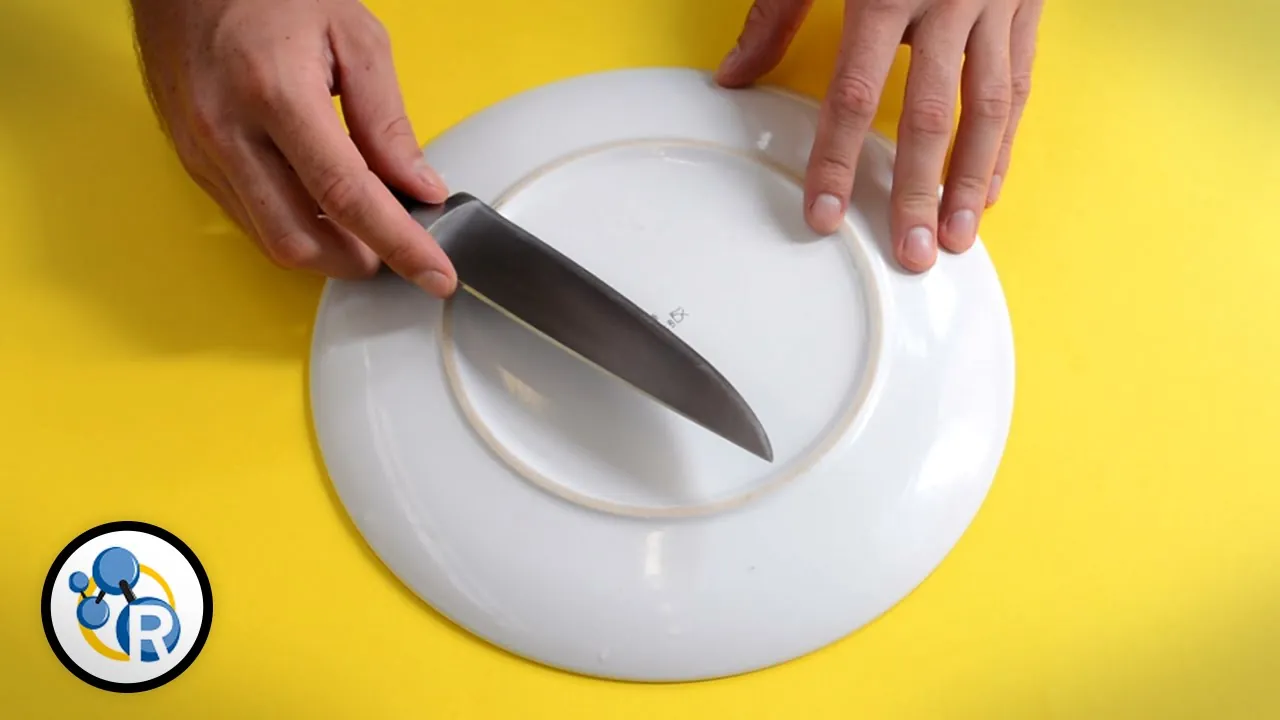
The unglazed ring on the bottom of a ceramic mug works like a fine whetstone. Flip it over, hold the handle firmly, and keep the angle steady — that’s the whole skill.
- Find the rough ring. Turn the mug over. The unglazed circle on the base is the abrasive part. A ceramic plate or bowl works the same way.
- Set your angle. Lay the blade flat, then lift the spine about 15 to 20 degrees. Most kitchen knives use this angle. A matchbook under the spine gets you close.
- Draw the edge across. Starting at the heel, pull the blade toward you in one smooth stroke, tip leading slightly. Keep light pressure.
- Repeat one side. Do 10 to 15 strokes on one side of the blade. Count them so both sides match.
- Flip and repeat. Turn the knife over and do the same number on the other side. Even strokes keep the edge centered.
- Hone on cardboard. Ten strokes on corrugated cardboard or newspaper removes the tiny burr left on the edge.
- Test on paper. Hold a sheet up and slice down. If it catches and cuts cleanly, you’re done. If it slides, do 5 more strokes per side.
Tip: Wipe the blade dry after every session. Water left on the edge is what actually causes rust spots, not the sharpening itself.
How Long Does This Take?
| Method | Time | Result | Best for |
|---|---|---|---|
| Ceramic mug | 5-10 min | Good working edge | Weekly touch-ups |
| Cardboard strop | 2-3 min | Removes burr | After mug or stone |
| Sandpaper on glass | 10-15 min | Sharper edge | Dull but not damaged knives |
| Professional service | Days | Factory edge | Chipped or bent blades |
For sandpaper, wrap 400-grit paper around a flat tile or glass pane and use the same angle and strokes. Step up to 1000-grit if you want a finer finish.
Mistakes That Dull Your Knife Faster
Grinding at the wrong angle. If you lift the spine too high, you round off the edge instead of sharpening it. Stay low, around 15 to 20 degrees. A cheap trick for holding that angle: stack two coins under the spine and let them guide you until your hand learns the feel.
Pressing too hard. Heavy pressure doesn’t speed things up — it chips the edge and wears your mug down. Let the strokes do the work. If you find yourself leaning in, your stone is probably glazed over. Rinse it and start again with a lighter hand.
Skipping one side. Uneven strokes push the edge off center, and the knife starts steering sideways through onions. Count your strokes and match them side to side. Ten on one side means ten on the other.
Running it through the dishwasher. The heat and detergent are brutal on steel. Hand wash and dry it right away. A knife left wet in the sink overnight can pit along the edge by morning.
When a Mug Isn’t Enough
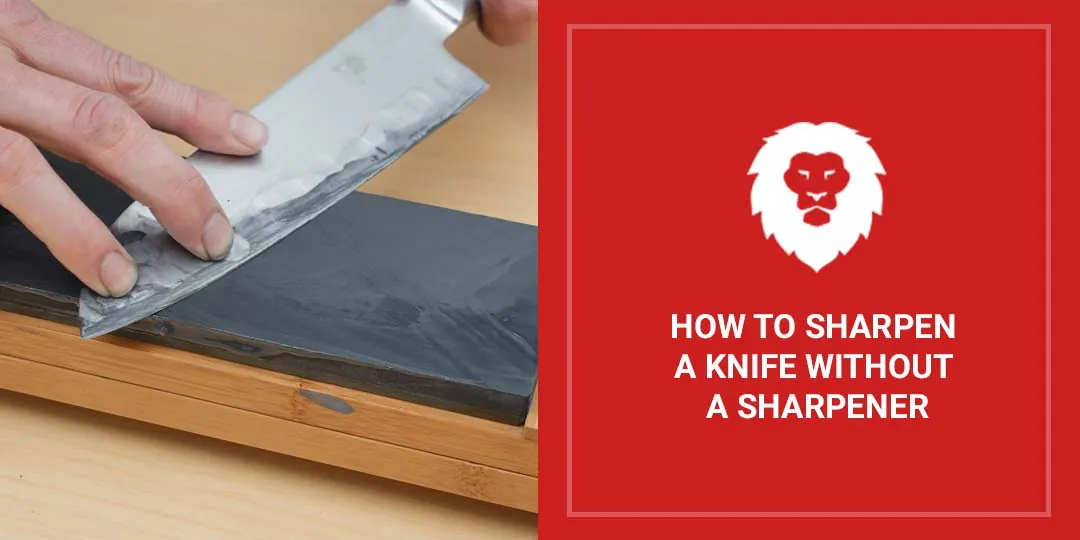
A mug fixes a dull edge, not a damaged one. If you can see a chip, a flat spot, or a bend when you hold the blade up to light, stop. Those need a real stone or a professional, and working a chipped edge on ceramic just makes the chip bigger.
The same goes for very hard Japanese knives and serrated bread knives. Take those to someone who knows them.
One pass on the unglazed ring at the base, ten to fifteen strokes per side, is enough for a Western chef’s knife that has gone soft. If it still drags on a tomato after that, the problem is the angle, not the effort. More strokes at the wrong angle round the edge over instead of restoring it.
And if you’re sharpening the same knife every week, the angle is probably off — a properly maintained knife holds an edge for months.
Related guides
- How to Choose an Air Fryer for Home?
- Which Air Fryer Is Best for Home Use?
- Best Value Air Fryers: Top Picks for Your Kitchen
Frequently Asked Questions
Can I sharpen a serrated knife this way?
No. Serrated edges need a tapered rod that fits between the teeth. A mug or sandpaper will flatten the points and ruin the blade. Send serrated knives to a professional.
Does a coffee mug damage my knife?
No, not if you use light pressure and a steady angle. Ceramic is softer than knife steel, so the mug wears down, not your blade. Just don’t grind hard against the glaze.
How often should I do this?
Every 2 to 4 weeks for a knife you use daily, or whenever tomatoes start squashing instead of slicing. Over-sharpening wears the blade thin over time.
Conclusion
Pick one mug from your cabinet and keep it as your sharpening mug — the unglazed ring does the work, and you’ll learn its feel fast. Touch up your main knife once a month, and it’ll stay sharp enough that you stop reaching for the drawer with the dull ones.

I’m passionate about helping home cooks make everyday cooking easier, smarter, and more enjoyable. I share practical kitchen tips, cookware guides, cooking tutorials, and simple recipe inspiration based on real kitchen experience and modern home cooking needs.