How Long to Rest Meat After Cooking: Times by Cut
Most cuts of meat need to rest for 5 to 20 minutes after cooking, loosely covered, before you slice them. A big roast like beef rib or pork shoulder wants closer to 20 to 30 minutes. Resting lets the juices settle back into the meat instead of running out onto the board.
How Long to Rest Different Meats
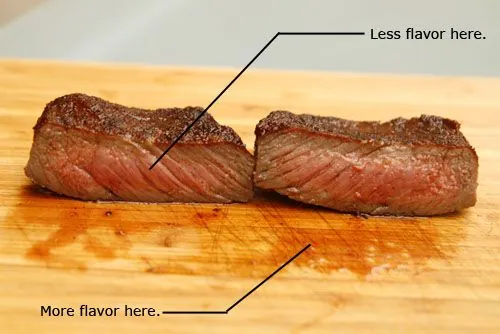
The right rest time depends on the size and type of meat, not on the recipe. Here’s what I use in my own kitchen.
| Meat | Rest Time | Notes |
|---|---|---|
| Chicken breast | 5–10 min | Cover loosely with foil |
| Steak (1 inch thick) | 5–10 min | Rest on a warm plate |
| Pork chops | 5–10 min | Tent, don’t wrap tight |
| Whole chicken | 10–20 min | Rest breast-side up |
| Beef roast | 15–30 min | Longer for bigger cuts |
| Pork shoulder | 20–30 min | Until it stops steaming hard |
| Whole turkey | 20–40 min | Bigger bird, longer rest |
A simple rule I follow: rest smaller pieces for about 5 minutes, and bigger roasts for up to 30 minutes. If the meat is still steaming heavily, it’s not ready to cut.
Tip: Rest meat on a warm plate, not a cold one. A cold surface pulls heat out fast and the outside goes cool before the inside settles.
Steps for Resting Meat the Right Way
-
Take it off the heat early. Pull the meat when it’s about 5°F below your target temperature — it keeps cooking as it rests.
-
Move it to a warm plate or board. Cold surfaces cool the meat too fast. A room-temperature plate is fine; a chilled one is not.
-
Cover it loosely. Tent with foil. Wrapping tight traps steam and softens the crust. If you want that crust crisp, leave the foil off entirely and rest the meat in a warm spot instead.
-
Let it sit undisturbed. Don’t poke, press, or cut it. Cutting early is the mistake that costs you the most: the juices run out onto the board and the slices end up dry.
-
Check the temperature. Use a thermometer to confirm it’s done. For safety, the USDA recommends poultry reach 165°F and whole cuts of beef, pork, and lamb reach 145°F with a 3-minute rest. I always check the USDA safe minimum temperatures before serving.
-
Slice against the grain. This makes the meat more tender. Look for the lines running across the surface and cut perpendicular to them.
-
Pour the resting juices back over the slices. Don’t waste them.
Mistakes That Ruin the Rest
Cutting too early. This is the one I see most. The juices run out and the meat goes dry. Wait the full time. If you’re hungry and the smell is winning, pour the juices back over the slices — it helps, but it never fully undoes it.
Wrapping too tight. Foil pressed against the crust traps steam and makes it soggy. Tent it loosely. If the cut has a crisp skin you worked for, leave the foil off entirely and rest it in a warm spot instead.
Resting too long. Past 30 minutes, most meat starts to cool and the fat sets. Serve it warm. A large roast holds heat longer than a steak, so start checking it sooner than you think.
Skipping the rest on small cuts. Even a chicken breast needs 5 minutes. It’s short, but it matters.
When Resting Doesn’t Apply
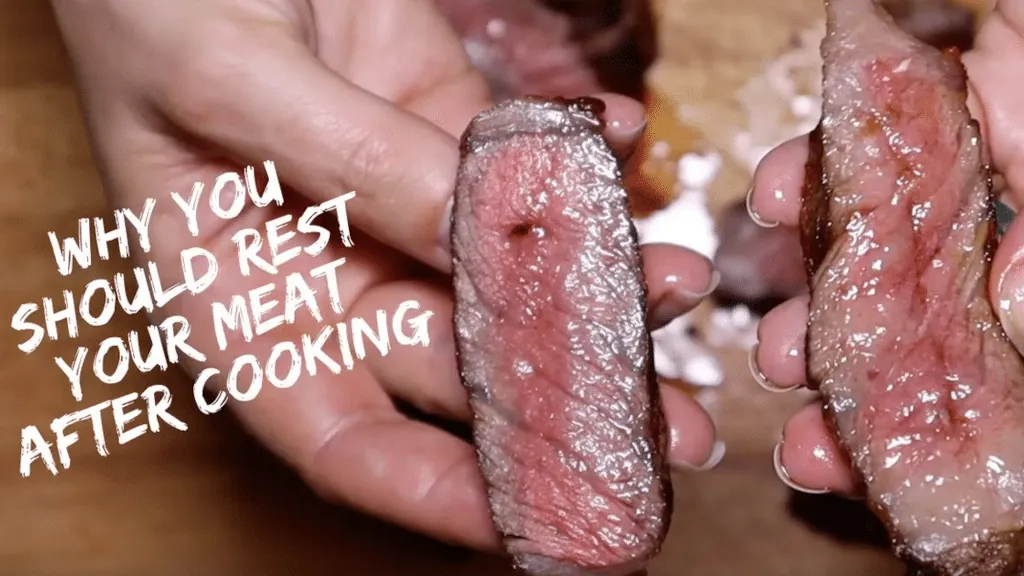
Some dishes don’t need a rest at all. Ground meat dishes like burgers and meatballs are fine to serve right away — the juices are already mixed through. Thin cuts like bacon or sliced stir-fry strips also skip the rest.
Pull the bird when the deepest part of the thigh reads 165°F.
If you’re cooking for a crowd and the roast will sit out longer than 30 minutes, keep it in a warm oven at low heat instead of on the counter. That keeps it safe and warm without overcooking.
A rest that runs long is worse than none. Past 30 minutes on the counter, a roast starts cooling toward the danger zone, so either carve it by then or hold it in that low oven.
Related guides
- How to Use an Air Fryer for the First Time
- Can You Put Raw Meat in an Air Fryer? Safe Cooking Guide
- Is Air Frying Chicken Faster? Times, Temps & Honest Results
Frequently Asked Questions
Can I rest meat in the oven?
Yes, but only with the oven off or on the lowest setting. A warm oven keeps it hot without drying it out. Just don’t leave it in so long that it overcooks.
Does resting meat make it cold?
Not if you rest it correctly. A warm plate and a loose foil tent keep the outside warm. For big roasts, 20 to 30 minutes won’t cool the center much.
Should I cover meat with foil while resting?
Yes, loosely. A tight wrap traps steam and ruins the crust. A loose tent keeps heat in while letting moisture escape.
Conclusion
Next time you cook a roast or a steak, set a timer the moment it comes off the heat. Even 5 minutes makes a real difference you can taste. If you’re unsure, rest it a little longer rather than cutting early — the meat will tell you when it’s ready.

I’m passionate about helping home cooks make everyday cooking easier, smarter, and more enjoyable. I share practical kitchen tips, cookware guides, cooking tutorials, and simple recipe inspiration based on real kitchen experience and modern home cooking needs.